
The Role of Luck in Gambling
Luck is often viewed as the primary driving force behind the outcomes in gambling activities. Players frequently believe that a good streak of fortune can lead to significant winnings, and this perception is deeply embedded in the culture of gaming. From rolling dice to spinning reels, the randomness of these activities can indeed produce surprising outcomes that appear to defy logic, especially in the context of anonymous casinos , where the thrill of the game is heightened by their unique offerings. For many, the thrill of gambling is intertwined with the unpredictable nature of luck, making it an essential component of the overall experience.
However, this focus on luck can overshadow the intricate dynamics at play in gambling environments. While it’s true that luck can result in considerable gains, it is vital to recognize that it operates within a larger framework influenced by strategy, probability, and psychology. Relying solely on luck can lead to erratic behavior and misguided decisions. Understanding the nuanced role of luck can empower players to approach gambling with a more balanced mindset, acknowledging both chance and skill in their decision-making processes.
Moreover, luck’s impact can be more pronounced in some games than in others. In games like poker, where skill and strategy drastically affect the outcome, luck plays a supporting role rather than leading the charge. Conversely, in pure games of chance like slots or roulette, luck seems to dominate. Therefore, examining the specific context of various gambling activities helps illustrate that while luck is a factor, it is not the only one that dictates success in gambling.
The Importance of Strategy
Strategy is an indispensable element of successful gambling that transcends the mere whims of fate. Games that require skill, such as poker and blackjack, demand players to formulate tactical approaches based on odds, probabilities, and opponents’ behaviors. For instance, understanding when to hit or stand in blackjack can significantly increase a player’s chances of winning, demonstrating that informed decision-making is crucial. A well-thought-out strategy not only enhances potential rewards but also enriches the gaming experience.
Players who develop a strong strategy often find that it helps mitigate losses over time. Rather than leaving outcomes solely to chance, strategic thinking allows gamblers to make calculated decisions that align with their goals. This disciplined approach can be contrasted with the behavior of those who depend heavily on luck, often resulting in impulsive bets and rash choices that lead to poor outcomes. In essence, effective strategy serves as a counterbalance to luck, allowing players to optimize their gambling experiences.
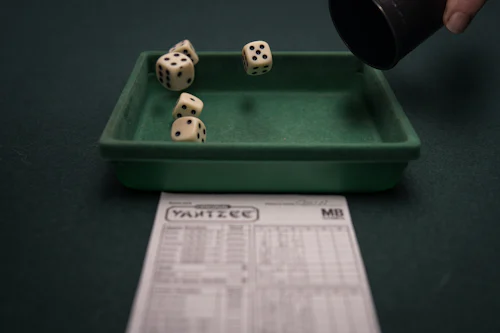
Furthermore, the iterative nature of strategy development in gambling means that consistent players can refine their techniques over time. Analyzing past performances, learning from mistakes, and adapting to changing conditions are all vital components of this ongoing process. As players become more adept at recognizing patterns and understanding their chosen games, the reliance on luck diminishes, and the ability to make informed decisions increases. This evolution underscores the importance of merging strategy with the unpredictable nature of luck in gambling.
The Psychological Aspect of Gambling
The psychological component of gambling is often overlooked yet plays a significant role in influencing players’ behavior and decisions. Emotions can drive individuals to chase losses or make impulsive bets based on a feeling of invincibility stemming from a recent win. This emotional rollercoaster creates a complex relationship with luck, as players may begin to attribute their success or failure to external forces rather than their skills or strategies. Understanding this psychological dynamic is crucial for responsible gambling.
Anxiety, excitement, and anticipation can cloud judgment and lead to poor decision-making, highlighting the need for emotional regulation in gambling scenarios. Recognizing the psychological triggers associated with gambling can empower players to make more grounded choices rather than succumbing to a purely luck-based mindset. Moreover, the impact of social influences, such as peer pressure or competitive environments, can further complicate the relationship with luck and may encourage risky behaviors, which can derail even the most calculated strategies.
Implementing mindfulness practices and self-awareness can help players maintain a balanced perspective on their gambling habits. Taking a step back to evaluate one’s psychological state and the motivations behind individual bets can foster a healthier approach to gaming. The intersection of psychology and gambling serves as a reminder that while luck can sway outcomes, cultivating a sound mindset and emotional resilience is equally crucial in navigating the complexities of the gambling experience.
The Element of Probability in Gambling
Understanding probability is essential for any gambler who wishes to make informed decisions. Each game has its own odds that dictate the likelihood of certain outcomes, and comprehending these variations can significantly impact a player’s approach to betting. For example, sports betting involves a thorough analysis of team statistics and performance history, while casino games like blackjack require an understanding of the house edge. The more players grasp the math behind these activities, the better equipped they are to engage in strategic play instead of relying solely on luck.

Calculating odds and probabilities can provide players with a framework for assessing risk and determining optimal betting strategies. Armed with this knowledge, gamblers can make more nuanced decisions, such as how much to wager based on their evaluation of the game’s potential outcomes. This analytical approach not only enhances the chances of success but also adds an additional layer to the gambling experience, transforming it from a game of chance into a more intellectually engaging pursuit.
Moreover, the role of probability is ever-present in the design of various games. Casinos and game designers meticulously craft the odds to ensure profitability while still providing players with the chance to win. This delicate balance is what draws players back, as it keeps the thrill alive despite the inherent uncertainty. A solid grasp of probabilities empowers gamblers to navigate this landscape with greater confidence, ensuring they understand that luck is merely one part of a multifaceted equation.
Conclusion: Embracing the Balance of Luck and Skill
In conclusion, while luck undeniably plays a role in gambling, it should not overshadow the significance of strategy, psychology, and probability. Successful players realize that creating a balanced approach—one that integrates these elements—will lead to more sustainable and enjoyable gambling experiences. By prioritizing skill development and emotional control, individuals can navigate the unpredictable world of gambling with greater confidence.
The interplay between luck and skill is what makes gambling a captivating activity for many. It allows for moments of spontaneity and surprise while also providing the opportunity for calculated decision-making and strategy application. Whether playing at a casino, participating in online gaming, or betting on sports, individuals can enhance their enjoyment and potential success by acknowledging the multifaceted nature of gambling.
For those seeking to deepen their understanding of gambling, various resources are available to explore the intricate relationship between luck and skill. Engaging with knowledgeable platforms can provide insights and foster a responsible approach to this thrilling pastime. Embracing this balance ensures that every player can partake in gambling with a clearer perspective on what truly influences their experiences and outcomes.